If you want to cut flights and still cover a lot of ground, a rail and ferry europe itinerary is a smart, scenic way to go. This guide gives you ready-to-use route ideas, clear booking steps, pass and reservation tips, and border notes. You will also find tables you can save, plus a quick video and a simple planning graphic. Use this to plan your next low‑flight loop with confidence.
Because timing, reservations, and borders can be tricky, this rail and ferry europe itinerary guide starts with fast answers, then dives into sample trips you can copy or tweak. It also links to official sources for rules that can change.
Key takeaways
- Mixing trains, night trains, and ferries lets you replace one or more flights without losing time.
- Check if your pass requires seat reservations on high‑speed or night routes. Many do.
- Use “Rail & Sail” offers where they exist to simplify booking and save time.
- For island hops and sea crossings, ferries connect the dots that rail cannot.
- Border and check‑in rules differ for the UK, Ireland, and non‑Schengen routes. Leave buffer time.
What is a rail and ferry europe itinerary?
It is a plan that links major rail corridors with one or more ferry legs to cross seas, bays, or island channels. Instead of a flight, you ride a day or night train, then board a ferry to the next region or country, and continue by rail. The rhythm is simple: city to port by train, sea crossing by ferry, then onward by train again. This pattern works well for loops that include the UK and Ireland, the North and Baltic Seas, Mediterranean islands, and Nordic fjords.
Compared with a flight, you often trade airport transfers for station‑to‑port walks or short shuttles. You also gain wide views, flexible luggage rules on many ferries, and the option to sleep on an overnight crossing or sleeper train to save daytime hours. If you plan thoughtfully, you can chain these legs to cover more ground with fewer early alarms.
Low‑Flight Planning Flow
- Pick your anchors: start city and end city.
- Mark sea gaps where ferries beat flights.
- Choose rail legs: day views vs night trains.
- Decide: pass or point‑to‑point tickets.
- Reserve mandatory seats (HS/night) first.
- Book ferry legs with check‑in margins.
- Add buffers for borders and weather.
Tip: Lock ferry dates first in peak season, then add rail around them.
Which routes work best for a rail and ferry europe itinerary?
Below are proven ideas that swap at least one flight for a scenic ferry crossing and efficient rail legs. Adjust them for your dates and pace. After each overview, you will find practical notes about timing, transfers, and when to book.
1) North Sea loop rail and ferry europe itinerary: London ↔ Netherlands ↔ Northern Germany
Ride rail from London to Harwich, sail overnight to the Netherlands, then continue by train to Hamburg or Berlin. Return via Brussels or Paris. This loop is popular because the ferry gives you a full night of rest and places you close to Dutch rail hubs the next morning.
DayRouteModeNotes
1London to HarwichRailGreater Anglia to Harwich International
1–2Harwich ↔ Hook of HollandFerryOvernight; Rail & Sail via Stena Line
2Hoek van Holland to RotterdamMetro/RailQuick metro, then trains onward
3–4Rotterdam to Hamburg/BerlinRailIC/ICE via Osnabrück or Hannover
Timing notes: the Rail & Sail night sailing typically arrives early, so you can catch a mid‑morning Intercity to Germany. The metro from Hoek van Holland Strand or Haven connects to the national network at Schiedam Centrum or Rotterdam Centraal. In summer and during holidays, cabin grades can sell out. Therefore book the ferry first, then match rail legs.
Variants: continue to Copenhagen via Hamburg, or swing south to Cologne and the Rhine before circling back to Brussels. If you prefer a daytime crossing, consider sailing during the day and staying near the Dutch coast before heading inland.
2) Baltic blend train and ferry europe itinerary: Stockholm ↔ Helsinki ↔ Tallinn ↔ Riga
Use ferries to cross the Baltic and fast trains within Sweden and Finland. Then ride a ferry to Tallinn and buses or trains onward to Riga. This chain gives you capital‑to‑capital hops that are easy to book and rich in waterfront views.
Stockholm ↔ Helsinki is usually an overnight ferry with private cabins and dining. Helsinki ↔ Tallinn runs many daytime ferries; crossing times can be as short as two hours. From Tallinn, rail services grow each season but can be limited; coaches fill the gaps on many days. You can also reverse the order and start in Riga, then go north.
Best time: late spring through early autumn offers calmer seas and long daylight, which helps with early port arrivals. In winter, ferries still sail, but bring warm layers for outdoor decks and plan for icy sidewalks near ports.
3) Atlantic arc: Paris ↔ Brittany ↔ UK South Coast ↔ London
Zip to the coast by TGV, sail to England, then finish on UK rails. The Brittany to England ferries pair well with late afternoon TGVs from Paris, giving you a balanced day that ends at the port without a rush.
LegModeApprox. TimeTip
Paris → Saint‑Malo/RoscoffRail3–4.5 hTGV + TER connection
France → Portsmouth/PlymouthFerry6–10 hOvernight cabin for rest
Portsmouth/Plymouth → LondonRail1–4 hGreat Western/SWR services
Port access: Saint‑Malo and Roscoff stations are a short taxi or walk from ferry terminals. On the UK side, Portsmouth Harbour station is steps from the dock, while Plymouth’s station is a short bus or taxi ride away. Leave at least one train headway between port arrival and any fixed rail departure.
4) Emerald isles and Highlands: Dublin ↔ Belfast ↔ Scotland islands
Mix Irish rail, Irish Sea ferries, and Scottish island hops. CalMac connects many Scottish islands from Oban and Mallaig. Plan buffers for weather, and consider building a hub night in Glasgow or Oban before island sailing days.
Dublin ↔ Belfast is a straightforward train ride, but ferries from Belfast may involve transfers to Cairnryan or routes via Holyhead combined with UK rail. In Scotland, rail lines to Oban and Mallaig are scenic and slow, offering views that turn travel into part of the holiday.
5) Adriatic classic rail and sail europe itinerary: Venice ↔ Istria ↔ Dalmatian coast
Combine Italian and Slovenian trains with fast ferries in summer to reach Pula, Rovinj, or further south. Off‑season schedules can be limited, so check early. Some routes operate only in peak months and may shift ports year to year.
Start with regional trains from Venice toward Trieste, then cross into Slovenia. In peak season, catamarans link key Istrian ports with Venice or Trieste. Further south, catamarans and ferries connect the Croatian coast and islands; schedules can change with weather and holidays, so confirm a day or two before departure.
6) Nordic midnight: Copenhagen ↔ Oslo ↔ Bergen fjords
Use trains over the Öresund link, then a ferry or overnight ship to Oslo, with onward rail to Bergen via the scenic Bergensbanen. In summer, you can enjoy long daylight on the mountain leg and plan a fjord day trip from Bergen.
Booking tip: cabins on overnight sailings between Denmark and Norway add comfort and help you arrive rested. In Norway, domestic rail bookings often open weeks in advance; seats can sell out on holiday weekends.
7) Germany bridge train and ferry europe route: North Sea to Baltics
From Amsterdam or Rotterdam, ride the ICE network to northern Germany, then ferry to Denmark or Sweden for a flight‑free crossing. Germany’s long‑distance network gives you many fallback options if a connection slips.
Typical path: Rotterdam/Amsterdam → Hamburg → Kiel/Travemünde, then ferry to Gothenburg or Malmö regions. Alternatively, go via Puttgarden when construction allows, or route through Flensburg to Denmark. Always verify current works on the Fehmarn corridor.
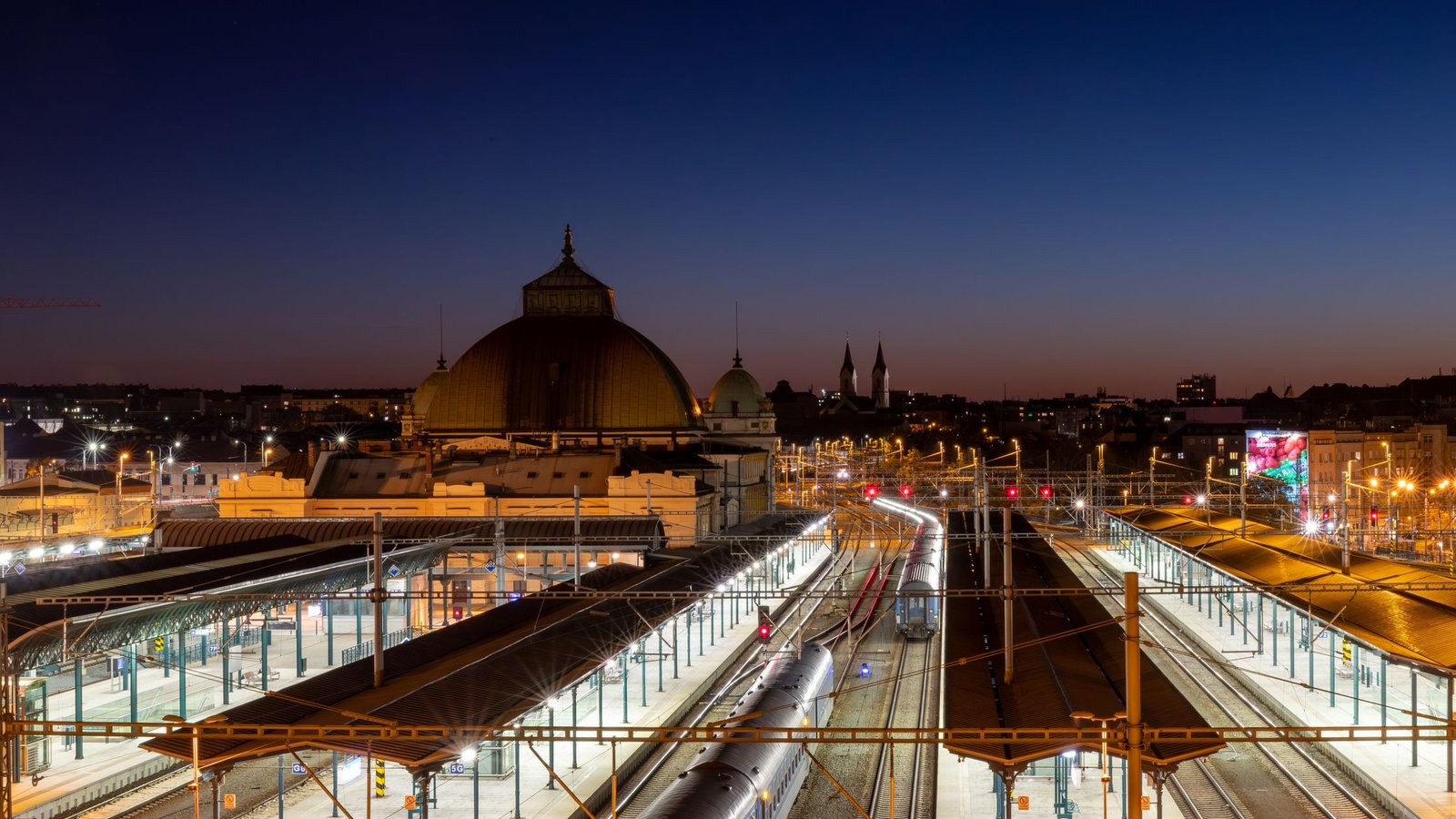
Modern rail links make cross‑border loops easier. Photo: Korkut Mamet via Pexels.
How to book a rail and ferry europe itinerary on one ticket
There is no single system for all of Europe, but these patterns work well for a rail and ferry europe itinerary:
- Use official “Rail & Sail” combos where offered (for example, England ↔ Netherlands with Stena Line and UK rail).
- Else, book rail and ferry tickets separately, and add smart buffers between legs.
- When using a rail pass, still secure mandatory seat/berth reservations on high‑speed and night services before fixing ferries.
Step‑by‑step flow for separate bookings: first, list your target ferry sailings by date and time. Next, check their check‑in windows and terminal locations. Then, find trains that arrive at least one headway earlier than the latest reasonable check‑in. Finally, purchase rail legs with exchangeable fares if possible. This order protects the hardest‑to‑replace leg (the ferry cabin or sailing) and reduces stress on travel day.
Good to know:
ScenarioBest First StepWhy
Peak‑season sea crossingBook ferry firstCabins sell out; rail has more frequency
Night train critical to planReserve berth firstLimited compartments drive the schedule
Multi‑country sprintLock seat reservationsFrench/Spanish HS trains can sell out
Examples to check:
- Harwich ↔ Hook of Holland Rail & Sail with Stena Line (train + ferry in one offer).
- Amsterdam ↔ Newcastle with DFDS, then rail to Edinburgh or York.
- UK ↔ Ireland routes paired with Irish Rail and UK rail legs.
Passes and reservations for a rail and ferry europe itinerary
A rail pass can be great value if you plan 4–7+ long rail days. However, many high‑speed and night trains require paid reservations in addition to your pass. For a rail and ferry europe itinerary, factor these fees into your budget early. If you want full flexibility, choose a pass that lets you activate travel days as you go, but still pre‑book limited‑quota trains or sleepers.
Route typeReservationSeat/berth fee (typical)Notes
French TGV/INOUIRequired€10–€20Limited passholder quota
Eurostar (London ↔ EU)RequiredVariesBorder checks and check‑in time apply
Spain AVE/ALVIARequired€10–€15+Book early in peak months
Italy Frecce/ICRequired (HS)€3–€15Regional trains often free seating
Germany ICE/IC/ECOptional€4–€6Nice to have on busy days
Night trains (e.g., Nightjet)RequiredVariesBerths/cabins priced by comfort
FerriesBookingCabin/seatCabins recommended overnight
Confirm passholder reservation prices on official sites near your dates. Some countries release reservations only a few weeks out. If a line shows “sold out,” try a different time, or route via a regional connection and add an hour for a stress‑free day.
Do night trains fit a rail and ferry europe itinerary?
Yes. Night trains are perfect for replacing flights while moving you across long distances as you sleep. For example, ride a night train to a port city, board a morning ferry, and arrive fresh in a new region. Book sleepers early in summer and holidays. Add at least one buffer night in your plan in case weather or operational delays ripple across your schedule.
Cabin choices: most sleepers offer couchettes (shared bunks), sleeper cabins with washbasins, and sometimes en‑suite options. If you value privacy, a small cabin can turn a long transfer into a restful night. If you want the social angle and lower cost, couchettes work well—bring earplugs and an eye mask.
Night or day, trains connect effortlessly to ports across Europe. Photo: Yender Fonseca via Pexels.
Sample plans for a rail and ferry europe itinerary (10–14 days)
These sample plans show how to chain rail legs and ferries with sensible buffers. Timings are indicative and depend on final timetables. Swap rest days or shuffle stops to fit your pace.
Plan A: North Sea loop to Denmark (10 days)
DayBase/MoveModeNotes
1London → HarwichRail + ferryEvening train; overnight Rail & Sail to Hook of Holland
2RotterdamMetro + railArrive early; local sights or The Hague
3Rotterdam → HamburgIC/ICE1–2 changes via Osnabrück/Hannover
4Hamburg—Rest day or Lübeck side trip
5Hamburg → CopenhagenRailCheck Fehmarn works; expect reroutes
6Copenhagen—City day; optional Malmö hop
7Copenhagen—Museums, canals, or day trip to Roskilde
8Copenhagen → HamburgRailReturn south; build buffer
9Hamburg → Brussels/ParisRailChoose Thalys/ICE/TGV combinations
10Brussels/Paris → LondonRailEurostar with check‑in time
Plan B: Brittany to London coastal arc (12 days)
DayBase/MoveModeNotes
1Paris → Saint‑MaloTGV + TEREarly start to enjoy the ramparts
2Saint‑Malo—Coastal walks and seafood
3Saint‑Malo → UKFerryOvernight cabin for rest
4PortsmouthRailEasy station‑to‑port link
5South Coast townsRailBrighton, Chichester, or Dorset
6South Coast → LondonRailArrive with time to spare
7–8London—Day trips possible (Oxford, Bath)
9London—Museums/markets
10–12London—Flexible wrap‑up and departure
Plan C: Baltic capitals with ferries (12–14 days)
DayBase/MoveModeNotes
1–3Stockholm—Museums and archipelago cruise
4Stockholm → HelsinkiOvernight ferryPrivate cabin; arrive early morning
5–6Helsinki—Saunas and coastal walks
7Helsinki → TallinnFerryDaytime sailing; frequent services
8–10Tallinn—Old Town, Kadriorg Park
11Tallinn → RigaCoach/railCheck current rail schedules
12–14Riga—Art Nouveau district; day trips
Border checks for a rail and ferry europe itinerary: ETIAS and check‑in
Border rules differ by route. The UK and Ireland are outside Schengen, so you will face passport checks on Eurostar and most ferries. Check‑in windows are longer than on domestic trains, and security screening may apply. Build arrival buffers around these steps. Keep your ID handy and allow time for terminal walks or shuttles.
- Eurostar: arrive early for border checks and security. Family and peak times can slow queues.
- Ferries: allow time for port transfer, check‑in, and boarding; overnight sailings often close check‑in earlier.
- ETIAS: if you are a visa‑exempt traveler to the Schengen Area, monitor the official ETIAS site for start dates and requirements before travel.
Tip: if you plan a same‑day rail connection after a ferry, choose flexible or later trains so you have a fallback if embarkation or disembarkation takes longer than expected.
Carbon and cost basics for slower travel
Rail is among the lowest‑emission motorized options per passenger‑km, and ferries can replace short‑haul flights where rail cannot cross water. Exact emissions vary by route and load. If you want to compare options, focus on distance, speed, and energy source (electric vs diesel), then look at occupancy and vessel type.
ModeTypical emissions trendNotes
Electric rail (Europe)LowOften the lowest per passenger‑km
Ferries/shipsMediumVaries by vessel, route, and speed
Short‑haul flightsHigherHigh per‑km due to takeoff/landing
Costs shift with season, booking timing, and cabin types. Price cabins first on peak crossings, then fit rail around them. Add reservation fees to pass costs so you see the true total. If a ferry date is fixed (for example, a weekend festival), lock it in early and build everything else around that anchor.
Watch a fast overview
If the video does not load, open it here: EUROPE BY TRAIN | The Five Best Itineraries.
Where does a pass help most on a rail and ferry europe itinerary?
Passes shine on cross‑border sprints with 4–7+ longer rail days inside 1–4 weeks. They are also useful for flexible loops where weather might shift your ferry day. In France and Spain, passes still require reservations on many fast trains, so treat reservations like limited inventory and book early. In Germany, reservations are often optional, which pairs well with last‑minute changes, but you may prefer a seat on busy days.
Does a ferry discount come with my pass?
Some passes include discounted or special ferry fares. Always verify the current list and terms, and check if a specific route is seasonal. Note that discounts can apply to the passenger fare, cabins, or both depending on the operator.
Operator links you should bookmark
- Seat reservations and pass rules: Eurail reservations.
- Ferry benefits for passholders: Eurail ferry benefits.
- Eurostar check‑in and border times: Eurostar check‑in.
- Stena Line Rail & Sail (UK ↔ NL): Stena Line Rail & Sail.
- DFDS Amsterdam ↔ Newcastle route: DFDS Amsterdam–Newcastle.
- Nightjet sleeper network: ÖBB Nightjet.
- Scottish island ferries: Caledonian MacBrayne (CalMac).
- ETIAS official information: ETIAS (EU).
- Transport emissions comparison: Our World in Data: travel emissions.
Common mistakes to avoid on a rail and ferry europe itinerary
- Booking the last ferry of the day after a tight rail connection. Instead, keep a time buffer or add a sleep near the port.
- Forgetting seat reservations on high‑speed lines. You risk not boarding on quota‑limited services.
- Assuming summer schedules apply year‑round. Ferry and night train timetables vary by season.
- Skipping border and check‑in time windows. These can be longer than you expect.
- Overloading one day with too many legs. Use nights for long hauls to free daytime hours.
Pass vs. point‑to‑point: how to choose
Run a simple tally: price your likely rail days at public fares vs. the cost of a pass plus reservations. If you plan four or more long rail days in two weeks, a pass often wins. If your trip is mostly one or two long hops, public advance fares might be cheaper. On a rail and ferry trip, ferries are usually separate regardless, so compare rail costs independent of ferry prices.
Traveler profileBetter fitReason
Flexible route, many bordersPassFreedom to pivot and add stops
Fixed dates, 1–2 long hopsPoint‑to‑pointAdvance promos can be cheaper
Peak summer with sleepersPass + early reservationsLock limited berths early
Weekend city breaksPoint‑to‑pointShort distances; few reservations
When should you book?
- Night trains: 2–3 months ahead (or earlier in peak season).
- Ferries with cabins: as soon as dates are firm.
- High‑speed reservations in France/Spain: early for holidays and weekends.
- Regional trains in Germany/Austria/Switzerland: flexible; reservations often optional.
Quick port‑to‑rail connection tips
- Check the last metro or local train from your arrival port to the city. Some stop early.
- Pre‑map the walk or shuttle from ferry terminal to the nearest rail station.
- Save offline tickets and QR codes in case of poor signal on the pier.
Also, look up the exact terminal gate your ferry uses. Large ports can have multiple buildings and different gangways for foot passengers vs. vehicles. A few extra minutes of pre‑reading can save a long walk.
Build your budget and compare options
Group your costs by “must lock” (ferries with cabins, night berths, limited‑quota reservations) and “flex” (regional rail days, museum entries). Track exchange rates for the UK, Nordics, and Switzerland if your home currency differs. Consider adding a small buffer fund for weather‑related changes so you can switch to a slower sailing or add a port night without stress.
Affiliate disclosure: Some links in this guide may be affiliate links. If you book or buy through them, Eco Nomad Travel may earn a commission at no extra cost to you.
To compare basic rail and ferry timings in one place while you plan, you can also check Trip.com for sample train schedules and tickets near your dates. Open Trip.com to compare train times before you lock your ferry cabins.
Accessibility, luggage, bikes, and pets
Accessibility varies by route and vessel. https://economadtravel.com/rail-and-ferry-europe-itinerary-ideas-for-lower-flight-trips/


Comments
Post a Comment