10 Best lake vacations You Should Know
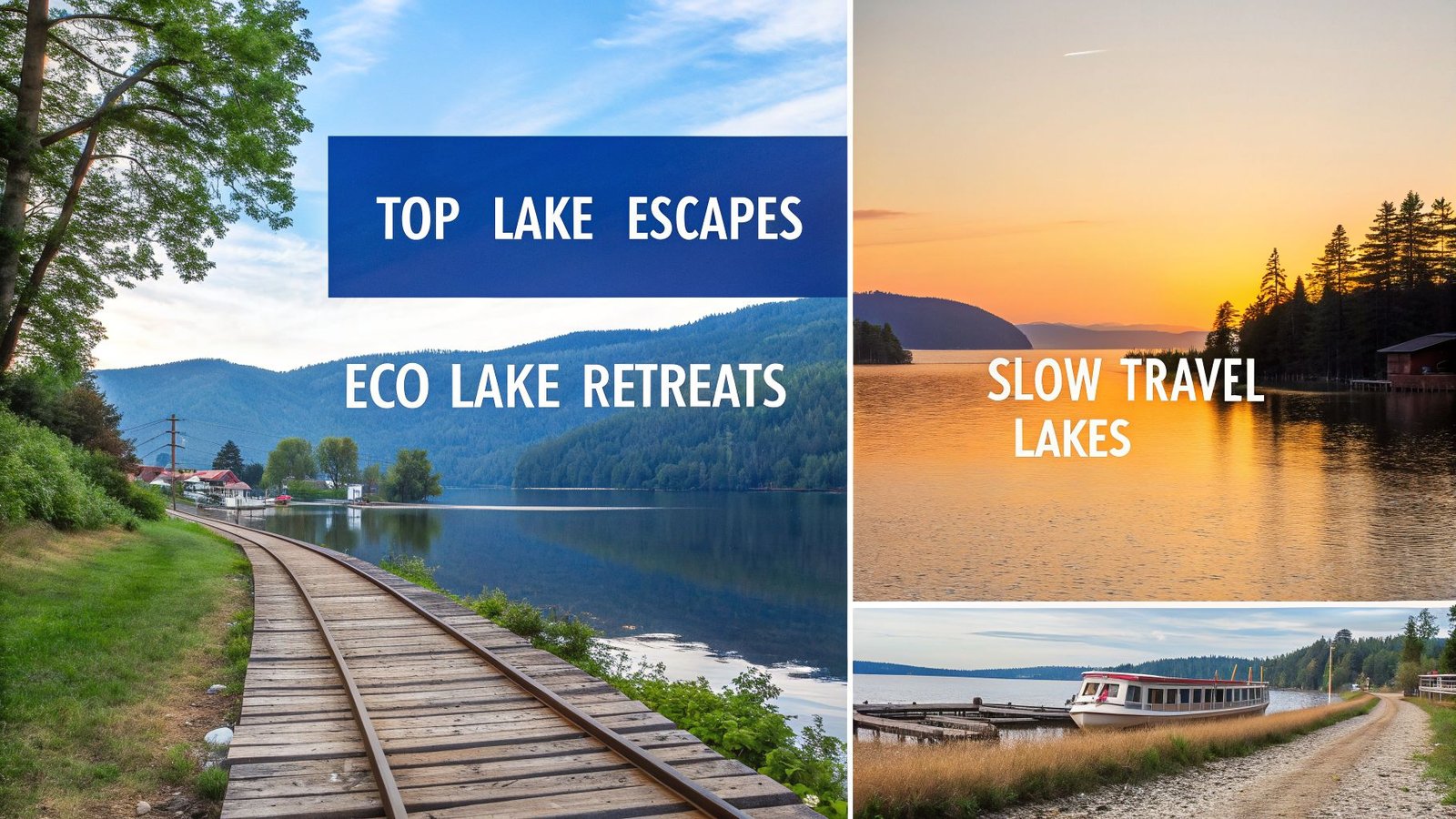
Finding the best lake vacations often leads to images of remote cabins and car-dependent travel. This guide offers a different approach. It’s designed specifically for eco-conscious digital nomads and slow travelers who prefer low-carbon, rail-first itineraries. Forget the rental car logistics and flight emissions. We're focusing on stunning European and Central Asian lakes that are accessible entirely by train and ferry, perfect for setting up a walkable base for weeks at a time.
This roundup goes beyond just pretty destinations. Each entry is a practical mini-guide for a sustainable, long-stay trip. You will find specific, actionable details on train routing, walkable base cities, and flight-free day trips. We cover everything from the best seasons for visiting to recommended sustainable stays and sample budgets. Consequently, the goal is to provide a clear roadmap for planning a regenerative trip, helping you minimize your environmental impact while maximizing local immersion.
Whether you're a remote worker seeking a new temporary home with reliable Wi-Fi and coworking spots, a minimalist packer building a zero-waste travel kit, or a budget-focused traveler looking for affordable, climate-aware adventures, this list has you covered. In short, we'll explore iconic spots like Lake Como and Lake Geneva, alongside lesser-known gems like Lake Balaton and Issyk-Kul, all through the lens of responsible, car-free travel.
Affiliate disclosure: This post may contain affiliate links. If you buy through them, Eco Nomad Travel may earn a small commission at no extra cost to you.
1. Finding the Best Lake Vacations on Lake Geneva (Lac Léman), Switzerland-France Border
Straddling the border between Switzerland and France, Lake Geneva (known locally as Lac Léman) is Europe's largest Alpine lake and a prime candidate for one of the best lake vacations for slow travelers. Its exceptional rail and ferry network makes it a perfect car-free destination. For example, you can easily connect to lakeside towns like Montreux, Lausanne, and Évian-les-Bains in France, creating a multi-country itinerary without ever needing a car. The region is well-suited for digital nomads, offering walkable cities with coworking spaces, stunning hikes, and seamless logistics.

This area is a haven for those looking to blend work and exploration. The infrastructure supports a remote work lifestyle, with cities like Lausanne providing both vibrant urban energy and immediate access to nature. The transport system isn't just for sightseeing; it's an efficient public utility. Ferries often provide faster and more scenic connections between towns than trains for shorter hops. To understand how this fits into a broader European itinerary, it's worth reviewing the Best European Holiday Destinations, which provides context on how different regions compare for travel styles.
Best Base City for Digital Nomads
Lausanne, Switzerland, is the ideal base. Positioned mid-lake, it offers a great balance of affordability compared to Geneva, excellent walkability, and a growing number of coworking hubs. Its central train station is a gateway to the entire region. From here, you can plan simple rail-first day trips to explore the terraced vineyards of Lavaux (a UNESCO World Heritage site). You can also visit the iconic Château de Chillon near Montreux, or even venture to Zermatt or Chamonix for high-alpine adventures. Exploring the full range of options is easy; you can learn more about the best places to visit in Switzerland to build out your itinerary.
Where to Stay
For a sustainable stay that supports local conservation, consider Château de Bonmont, an eco-farm near Nyon. It’s just a 20-minute train ride from Lausanne and offers a unique regenerative travel experience. If you're a remote worker planning a longer trip, look into co-living apartments in Lausanne for stays of one to three months. This can offer better value and a built-in community. To secure the best deal, compare stays near the main train station to simplify your daily logistics. For a hassle-free arrival, a Welcome Pickups transfer is ideal for travelers with luggage who want a pre-booked, reliable ride. You can book a Welcome Pickups driver to meet you at the airport or train station.
2. Lake Como, Italy (Lago di Como)
Nestled in the dramatic foothills of the Alps, Lake Como is a jewel of Italy’s Lombardy region and an iconic choice for one of the best lake vacations. Its Y-shaped shoreline is dotted with historic villas and charming villages. Furthermore, it is remarkably accessible without a car. Direct trains from Milan's Centrale station connect to key lakeside towns like Como and Lecco, forming a gateway to the entire area. The lake’s efficient ferry system makes exploring the central triangle of Bellagio, Varenna, and Menaggio a seamless, car-free experience perfect for slow travelers.
This region is ideal for remote workers who want an inspiring backdrop without complex logistics. The combination of reliable rail and frequent ferries allows you to treat the transport network as a public utility. You can hop between towns for work and leisure. For example, spend a morning working from a Varenna cafe, take a 15-minute ferry to Bellagio for lunch, and be back for an evening aperitivo without ever thinking about traffic or parking. Planning your visit for the shoulder seasons is key. To understand why April-May or September-October are superior, it helps to read about the best time to travel to Italy for fewer crowds and better prices.
Best Time to Book for Lake Como
Booking your trip for the shoulder seasons (April-May and September-October) is crucial for the best experience. During these months, you'll find pleasant weather, fewer crowds, and significantly better availability for accommodations. Prices for flights and stays can be 20-40% lower than in the peak summer months of July and August. To lock in these savings, you should book flights at least three months in advance. For those prioritizing low prices over schedule, Aviasales is a great tool for finding the cheapest dates to fly. Compare flight prices on Aviasales to find a deal.
Best Base City for Digital Nomads
Varenna is an excellent base, offering a more authentic and affordable experience than the bustling hub of Bellagio. Its train station provides direct links to Milan and other towns along the eastern shore, while its ferry terminal is a central point for exploring the lake. From here, day trips are simple. You can take a 15-minute ferry to Bellagio, a 30-minute train to Lecco for access to hiking trails, or even plan a longer rail journey to destinations like Cinque Terre. In short, staying in Varenna allows you to avoid the peak-hour rush of day-trippers while still having easy access to everything.
Where to Stay
For a sustainable stay rooted in local culture, consider an agriturismo in the valleys surrounding the lake, like in nearby Valtellina. These farm stays offer a regenerative travel experience and a peaceful retreat from the waterfront crowds. For remote workers planning a longer visit of a week or more, renting a small apartment near Varenna’s ferry dock is a practical choice. This simplifies daily logistics and helps you settle into the local rhythm. To cut costs by 30-40%, compare stays in Varenna or Menaggio over Bellagio, especially if booking for shoulder season.
3. Lake Balaton, Hungary
Often called the "Hungarian Sea," Lake Balaton is Central Europe's largest freshwater lake. It presents one of the best lake vacations for budget-conscious, climate-aware travelers. Located just 90 minutes by train from Budapest, its extensive rail corridor connects dozens of car-free lakeside towns. This makes it an ideal destination for combining a vibrant city break with a relaxing, low-impact lake retreat. This is especially true for those using Budapest's night-train hub to arrive from Vienna, Prague, or Munich. The northern shore, in particular, offers a peaceful escape with regenerative wine estates and farm stays, many within walking distance of train stations.
The entire region is built for easy, affordable slow travel. You can create a seamless itinerary connecting the capital with the countryside without ever needing a car. For instance, spend a few days exploring Budapest before taking a direct train to Balatonfüred. From there, you can use local ferries to hop between towns like Tihany and Siófok. The area is exceptionally bike-friendly, with the 124-mile (200-kilometer) Balaton Greenway cycle path almost entirely separated from road traffic. This infrastructure supports a digital nomad lifestyle focused on work-life balance. It allows you to blend café work sessions with afternoon swims and weekend bike tours through vineyards.
Best Base City for Digital Nomads
Balatonfüred, on the quieter northern shore, is the perfect base. It avoids the party-centric crowds of Siófok while offering excellent amenities, a lovely waterfront promenade, and direct access to the region's best wineries. The town has reliable internet, several work-friendly cafes, and affordable long-term apartment rentals. These are often available for $400–$500 USD per month in the shoulder season. Its train station and ferry port make it a convenient hub for rail-first day trips. You can visit the historic Tihany Abbey or explore the vineyards of the Badacsony wine region.
Where to Stay
For a truly sustainable experience, consider a farm stay at one of the many regenerative wine estates on the northern shore near Keszthely or Badacsony. These properties offer a chance to connect with local food and wine culture while supporting eco-conscious agriculture. If you're planning a longer stay as a remote worker, searching for apartments in Balatonfüred will provide the best value and community. To lock in the best deal, compare stays on Trip.com well in advance, especially for the shoulder seasons of April-May and September-October when prices can be up to 50% lower than in summer.
4. Lake Bled, Slovenia
Nestled in the Julian Alps, Lake Bled is a standout contender for one of the best lake vacations in Central Europe. Just 18 miles (30 kilometers) from Ljubljana's central station, its iconic island church and emerald waters offer a postcard-perfect setting. However, its real appeal for slow travelers lies in its excellent car-free infrastructure. Bled and nearby Lake Bohinj serve as ideal bases, connected by regional trains, buses, and a 14-mile (22-kilometer) cycling route. This makes it easy to combine work with hiking and zero-car day trips across Slovenia.
This region is exceptionally well-suited for remote workers looking for a routine that blends productivity with nature. You can start your day at a coworking-friendly café in Bled. Then, spend the afternoon on a lakeside walk or a bike ride to Vintgar Gorge or Lake Bohinj. The area's focus on regenerative tourism, including farm stays and beekeeping experiences, allows for deeper, more meaningful travel. For a seamless trip, consider arriving via a night train from Vienna or Munich. This makes for a scenic, low-carbon entry into the heart of Slovenia.
Best Base City for Digital Nomads
Bled town center is the most practical base for a car-free stay. By staying here, rather than the more isolated Lake Hotel area, you'll be within easy walking distance of the bus station, grocery stores, restaurants, and boat rentals. From Bled, you can execute a simple remote work schedule. Work from a lakeside apartment or cafe in the morning, then take a regional bus or train for an afternoon trip to the charming medieval town of Radovljica or the quieter, wilder shores of Lake Bohinj. For a longer itinerary, plan a two-week stay by arriving in Ljubljana via night train. Spend a couple of days in the capital, then base yourself in Bled for ten days of focused work and regional exploration.
Where to Stay
For a truly unique experience, consider a regenerative farm stay near Radovljica, where you can learn about local beekeeping traditions. You can reach these farms via a short train and bus ride, and many are connected by walking or cycling paths to Bled. Alternatively, for a longer remote work stint, booking a lakeside apartment in Bled town center for a week or more offers great value and convenience. To find the best availability and deals, compare stays near the main bus station, which will simplify your logistics for car-free day trips.
5. Lake Neuchâtel & Lac de Chalain Eco-Loop, Switzerland-France
For a truly off-the-beaten-path contender for one of the best lake vacations, this eco-loop connects Switzerland's Lake Neuchâtel with France's quieter Lac de Chalain. Located in the Jura region just two hours from Zurich by regional rail, this route is perfect for remote workers seeking authentic, small-town bases away from the crowds. The system is connected by a 25-mile (40-kilometer) bike-and-train loop through regenerative wine and cheese-producing valleys. This makes a car-free, farm-to-table experience easily accessible.
This itinerary is designed for slow travel and deep immersion. It prioritizes local interaction and low-impact transport over a packed schedule of sights. You can spend a week based in Neuchâtel, then take a multi-day bike-and-train trip to a farm stay near Lac de Chalain, cycling through the Vallée de Joux. The value here is exceptional for Switzerland; farm-to-table meals can often be found for $8–$15 USD. The best time to visit is May-June or September to avoid the peak summer season while enjoying pleasant weather for cycling.
Best Base City for Digital Nomads
Neuchâtel, Switzerland, is the perfect hub for this eco-loop. Its walkable town center, lakeside promenade, and local coworking spaces provide an excellent work-life balance. From the central station, you have direct access to the entire Swiss rail network. You can plan a simple 2-3 day loop to Lac de Chalain, using a combination of your bike and regional trains. Another great day trip is a train ride into the Vallée de Joux to visit wine villages and cheese producers. You can cycle parts of the route back to Neuchâtel.
Where to Stay
For your rural immersion on the loop, book a farm guesthouse or chambre d'hôtes near Lac de Chalain for an authentic regenerative travel experience. In Neuchâtel, consider a long-stay apartment near the train station to simplify day trips and logistics. Renting a bike is affordable at around $6 USD per day. To manage your transport budget effectively, the Swiss Rail Pass (available for 4-7 days) is a great investment. It often includes train fares, bike transport, and some ferry legs. Compare pass vs point-to-point ticket prices based on your planned itinerary.
6. Plitvice Lakes National Park Loop, Croatia
The Plitvice Lakes National Park Loop in Croatia offers one of the best lake vacations for sustainable travelers. This UNESCO World Heritage site is a chain of 16 terraced lakes connected by waterfalls. They are all explorable via a car-free network of boardwalks and electric boats. Located just two hours by bus from Zagreb's central train station, it’s an accessible yet immersive nature escape. The park serves as a perfect hub for combining Alpine-like scenery with onward, flight-free Balkan travel via train and ferry to the Croatian coast or even Bosnia.

This destination is ideal for those building a slow-travel itinerary through Central Europe. For instance, a multi-lake trip could start at Lake Bled in Slovenia, continue by train to Zagreb for a few days, and then move on to Plitvice before heading to the Dalmatian coast. The park’s internal transport system of silent electric boats and panoramic trains is designed to minimize environmental impact. This makes it easy to explore its vast ecosystems without a car. For more ideas on integrating this into a larger trip, you can get more Croatia travel details to plan your route.
https://www.youtube.com/watch?v=Z1kAOB64IVs
Best Base for Digital Nomads
Instead of a city, the best base here is Rastovača village. This eco-village is just a 30-minute walk or a short shuttle ride from the park's main entrance. Staying here allows you to fully immerse yourself in the region's nature and beat the crowds. You can enter the park at 8:00 AM, long before the day-tripper buses arrive from Zagreb and the coast between 10:00 AM and 2:00 PM. After a morning of hiking the boardwalks, you can return to your lodge for an afternoon of remote work. On weekends, use the regional bus and train network to take day trips to Zadar or Opatija on the coast.
Where to Stay
For a truly regenerative stay, book an eco-lodge or guesthouse in Rastovača village. These family-run establishments often practice sustainable farming and offer a more authentic experience than hotels near the park entrances. A stay of three or more days is recommended to explore the upper and lower lakes on separate days without rushing. This also allows you to truly appreciate the delicate ecosystems. When you're ready to book, compare stays on Trip.com to find availability in these smaller, locally-owned properties. They can fill up quickly, especially in the shoulder seasons of May, June, and September.
7. A Guide to the Best Lake Vacations on Traunsee, Austria (Upper Lake District)
Deep in Austria’s Salzkammergut region, Traunsee is a cornerstone of one of Europe's most accessible, car-free lake districts. Just a scenic two-hour regional train ride from Salzburg or Vienna, this deep Alpine lake offers a perfect setup for a slow-travel itinerary. Together with neighboring Attersee, it forms a network connected by electric boat ferries and efficient rail. This makes multi-lake exploration simple without a car. Its direct night-train access from Central Europe makes it an excellent choice for a flight-free journey.
The region is well-suited for remote workers looking to blend productivity with nature. You can establish a routine that starts with focused work in a Gmunden café, followed by a 3.7-mile (6-kilometer) afternoon walk along the lake promenade. You can even take a weekend train trip to Vienna for cultural activities.
https://economadtravel.com/best-lake-vacations/

Comments
Post a Comment